How to Use Social Media to Strengthen Your Digital Marketing Strategy

Published by : Vicinus

Date : February 20, 2026

Imagine browsing through  Instagram and discovering a photograph of latte art that was captured from the ideal vantage point by a café, or of  discovering a new holiday destination on a friend’s Pinterest board. There’s a good chance you’ve been influenced by social media marketing without even noticing.

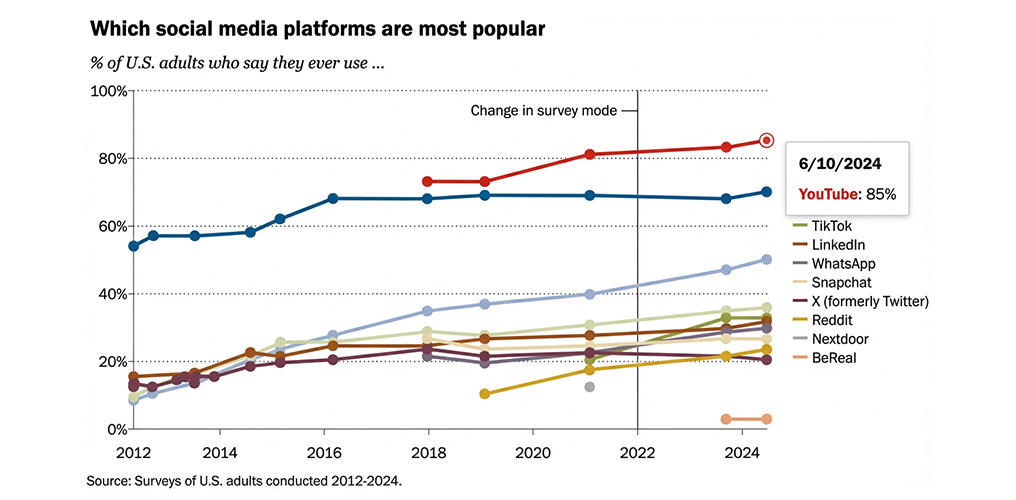
Social media marketing encompasses the promotion of brands and the interaction with consumers. This is achieved by utilizing platforms such as LinkedIn, Facebook, Instagram, X (formerly known as Twitter), and Pinterest. Additionally, the sole objective is no longer to accumulate likes. Social media platforms are now utilized by over 51% of consumers to actively search for products and services

This transformation suggests that social media is not merely an instrument for interaction anymore; it is a potent force for the development of revenue, client trust, and visibility. In this blog post, we will explore the integration of social media into your digital marketing strategy to guarantee that your business stands out in a crowded digital landscape.

Understanding Social Media Marketing

These days, brands expect a lot from social media gurus, who do more than just run a few accounts. Digital marketers and social media coordinators now have a lot of new tasks to do. For example, they have to manage location pages on sites like X, LinkedIn, Instagram, and Facebook, look at performance data, and create social media content that is specific to each region.

Social media has become a powerful tool that can shape a brand’s success. Today, it calls for sharp strategy, a creative flair, and a deep understanding of what makes customers tick and what drives a company forward. It requires constant vigilance, the adoption of new strategies and tools, and the development of novel approaches to consumer engagement. Brand recognition, customer trust, and long-term success in today’s dynamic digital market are all within reach for companies that allocate resources to social media teams composed of experts.

Social Media Strategy Explained

To transcend the realm of random posting and genuinely leverage social media for your business, you require more than just content; you require a social media marketing strategy. To fulfill your organization’s and team’s social media marketing goals, create a thorough strategy rather than simply generating a list of material to broadcast.

  1. Establish unambiguous boundaries:  A strong social media strategy ensures that teams keep aligned with the brand’s objectives and avoid sharing material that does not resonate with the audience.
  2. Show value: It is a common practice for those in charge of social media to be required to provide evidence of return on investment. Demonstrating how social media increases income, engagement, and brand exposure may be accomplished by establishing defined objectives and tracking quantitative indicators.
  3. Use the appropriate implements: Teams are able to maintain their productivity, relevance, and concentrate on the most important aspects of their work by taking advantage of features such as analytics, scheduling, and social listening.

These days, digital marketers and social media coordinators have a lot of new tasks to do. For example, they have to manage location pages on sites like X, LinkedIn, Instagram, and Facebook, look at performance data, and create social media calendars that are specific to each region. Their role involves advancing a brand’s growth and impact. It requires a convergence of knowledge and innovation, rather than reliance on serendipity.

As things stand, constant changes to the social media norms and practices are not going to stop. Hence, it becomes highly imperative for social media managers to continually develop new strategies and plans to keep pace with the fast-paced social media industry. This requires the said social media managers to learn new software and applications to stay ahead in the game.

Significance Of Social Media Today

1. Adds More Spotlight To Your Business

Organizations in any sector are able to use social media to engage with a large number of people. It aids in the development of long-term relationships, the cultivation of trust, and the creation of a better understanding in a wide range of industries, including healthcare and retail. People are more likely to identify and trust businesses when those brands routinely publish material that is of excellent quality.

2. Real-Time Audience Analytics

Organizations can also monitor a customer’s activity, interest, conversations, likes/dislikes, and their digital footprint on social media through various applications and forms. This not only helps companies make better business decisions but also use data rather than guesswork.

3. Better ROI

Compared to traditional advertising, social media enables you reach your audience more accurately and for less money. You can find the right clients by looking at their demographics, hobbies, and habits. This will help you get more individuals to click on your advertising and buy from you.

4. Engaging with New Users on Social Media

New users and potential customers often discover brands on Facebook, Instagram, and YouTube. User-generated content, influencer partnerships, and interactive posts help organizations reach new audiences. This inspires trust, interest, and helps new buyers.

5. Tracks Industry Trends

Customers’ true desires, concerns, and needs with regard to certain companies are discovered through the use of social listening tools, which monitor internet conversations. They are able to uncover new patterns, bring attention to gaps in the market, and even identify possible problems before they develop into more serious difficulties when they are used in conjunction with sentiment analysis that is powered by artificial intelligence.

6. Competition Analysis

Multiple studies show that competition research shows what other businesses are pursuing or using their respective social media outlets. Social media audit, content, and audience engagement can show social media trends, gaps, and improvements. You can stay ahead, test new things, and make wise judgments to help your company stand out in a crowded industry.

7. Get Leads

Social media is a terrific technique to capture people’s attention during the awareness phase because billions of people use it every day. Posting often, making compelling content, and running targeted advertisements are all good ways to drive fresh leads into your funnel and get ready for future conversions.

8. Enhances SEO Effectiveness

Increased website traffic, enhanced brand recognition, and greater sharing are all consequences of sustaining a constant presence on social media. This conveys a signal to search engines regarding the credibility and significance of your website, thereby improving your search engine optimization (SEO) progressively.

Key Steps to Use Social Media to Strengthen Your Digital Marketing Strategy

If you want your social media efforts to provide the desired results for your business and targeted demographic, you need to put some serious consideration into your strategy. Your digital marketing efforts will be more effective and your business will stand out in today’s competitive online world. Below are the key steps you can take to create a strong social media strategy that supports your digital marketing efforts

  1. Set Clear Goals

Begin by determining your objectives for social media, such as enhancing brand awareness, acquiring new consumers, or increasing interaction. Explicit objectives enhance concentration and enable the assessment of your achievements.

2. Know Your Audience

Investigate your customers’ interests, challenges, and internet engagement platforms. This enables the creation of material that genuinely addresses their wants and tastes.

3. Choose the Right Platforms

Not all social networks are suitable for every business. Select the channels where your audience is most engaged, such as Instagram for visual material or LinkedIn for professional discourse, to optimize your reach and efficacy.

4. Generate Engaging and Meaningful Content

Disseminate content that is beneficial, engaging, or motivational. Utilize forms such as videos, surveys, or user-generated material to foster dialogue and cultivate relationships.

5. Monitor Performance and Enhance Your Strategy

Utilize analytical tools to ascertain which postings are generating engagement or conversions. Consistently analyzing this data enables you to optimize your strategy for enhanced outcomes.

6. Interact Proactively with Followers

Address comments, provide answers to inquiries, and promote feedback. Significant encounters demonstrate your brand’s concern, fostering trust and loyalty.

7. Align Social Media Efforts with Business Goals

Ensure that your social media endeavors align with your comprehensive marketing strategy and organizational goals. This guarantees that each post, campaign, or interaction fosters sustained growth.
 

Final Thoughts

The only goal of digital marketing strategy on social media in the past was to get more people to know about a brand. It has since grown into something far more complex. With this technology, organizations can track trends, observe their audience in real time, and alter their strategies as needed. Using social media has a lot of benefits, like more attention, better customer service, closer ties with investors, and more new customers.