Healthcare

Patients search for individual physicians just as often as clinical facilities, and their booking decisions depend on immediate, reliable details. A single incorrect clinic address, an outdated list of accepted insurance networks, or an unmanaged negative review can turn a prospective patient away before they ever call to schedule an appointment.

Connecting synchronized Local Listing Management with proactive, privacy-conscious Online Reputation Management ensures every practice location and practitioner profile remains accurate, authoritative, and visible when care is needed most.

Why Local Search Is Different for Healthcare 

For healthcare organizations, local SEO on Google Business Profile can add 3 to 8 new patients per month within 90 days. It requires balancing individual practitioner discovery with clinical facility profiles, all while maintaining strict patient-privacy standards across public channels.

Nested Practitioner & Practice Identities

Patients search for individual physicians and specialists by name just as often as clinical facilities, requiring synchronized provider profiles nested within specific practice locations.

Elevated Privacy & Review Constraints

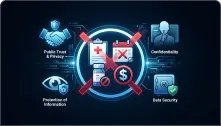
In searches for local healthcare, reputation management must respect strict privacy boundaries. Practices cannot confirm a reviewer was a patient or discuss clinical care details in public responses.

High-Stakes Operational Data

Outdated accepted-insurance networks, inaccurate urgent care hours, or mismatched department phone numbers can cost a practice new patients before they ever call to book.

Dynamic Provider Mobility

Physicians, dentists, and specialists frequently join, rotate between clinics, or leave a group, making listing maintenance critical to prevent orphaned or misattributed practitioner profiles.

Complex Local Entity Mapping

Search engines must clearly disambiguate between the overarching healthcare facility, specialized clinical departments, and individual attending physicians practicing at the same address.

Trust-Centric Patient Discovery

Because healthcare decisions carry high personal stakes, local search visibility depends heavily on authentic, privacy-compliant patient feedback and verified provider credentials.

Managing Listings for Providers and Practice Locations

79% of all healthcare providers are planning to leverage SEO for lead generation and patient acquisition, and 41% of US patients will choose social media channels to decide on a doctor or medical institution. Without strong search visibility, you risk losing patients to competitors who appear in top search results. That is why you need accurate listings to drive patients to clinics and practice locations.
Two-Tier Listing Architecture:
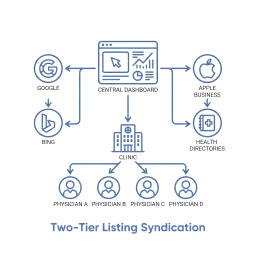
Maintain primary location profiles for physical facilities (hospitals, urgent care centers, clinics) alongside verified practitioner profiles for individual physicians, dentists, and specialists practicing at those locations.
Accepted Insurance & Specialty Accuracy
Keep accepted insurance networks, clinical specialties, and sub-specialties up to date across all profiles to prevent patient frustration and appointment booking drop-offs.
Provider Mobility & Onboarding Management
Seamlessly link newly onboarded practitioners to practice locations and cleanly update or unlink profiles when providers leave, preventing orphaned listings or outdated clinic associations.
Departmental & Ancillary Service Hours
Configure dedicated operational hours for internal departments, such as imaging, diagnostic labs, or walk-in clinics, without creating conflicts with the facility’s general schedule.
Centralized Data Syndication

Maintain uniform NAP data, booking URLs, and credential details across Google, Apple Maps, Bing, and primary healthcare directories.

Explore our complete foundation in Local Listing Management

Reviews and Reputation with a Patient-Privacy Lens

26% of public healthcare reviews contain high disclosure risk that almost always reveal clinical/billing details. Effective patient review management requires addressing patient sentiment and resolving friction without acknowledging treatment details or confirming that a reviewer was ever a patient.

The Non-Acknowledgment Standard

Never confirm, imply, or deny that a reviewer is or was a patient in public replies, even if the reviewer shares extensive details about their own medical visit.

Empathetic Offline Routing

Respond with neutral, empathetic statements acknowledging general practice standards while directing the reviewer to contact a patient advocate or office manager via a secure phone number or email.

Zero Clinical Disclosure

Strictly avoid referencing specific diagnoses, appointment dates, prescription details, or billing disputes in public review responses.

Centralized Response Governance

Implement pre-approved response templates and standardized workflows so staff never publish unvetted or privacy-violating replies.

Discover best practices in our guide on how to respond to reviews.

Managing Multiple Practice Locations Consistently

Scaling local search across a multi-facility medical network introduces operational hurdles that standard enterprise chains never encounter. Maintaining absolute listing consistency across dozens of physical clinical facilities is crucial for successful multi-location healthcare marketing.

Compounded Scale Complexity

Managing local presence across multiple outpatient clinics, emergency centers, and specialized care hubs means handling exponential data points, each location carrying independent department hours, accepted networks, and attached physician profiles.


Provider-to-Facility Disconnects

Prevent listing drift caused by staff transitions, rotating on-call specialists, or new physician onboarding across branches by enforcing unified listing governance.

Unified Regional Authority

Align core location signals, localized service landing pages, and category taxonomy across regional networks to prevent neighboring facilities from competing against one another in local map packs.

Operational Drift Protection

Automatically detect and overwrite incorrect user-suggested edits, outdated insurance associations, or duplicate profiles across major search engines and healthcare directories.

To explore actionable operational frameworks for expanding medical networks, explore our Healthcare Provider’s Guide to Multiple Practice Locations.

How Vicinus Supports Healthcare Providers

Vicinus provides a centralized local search and reputation management platform purpose-built to help multi-location healthcare systems maintain verified data and protect patient trust.

Two-Tier Listing Syndication

Centralize and bulk-update physical clinic profiles alongside nested physician listings across Google, Bing, Apple Business, and primary medical directories from a single dashboard.

Privacy-Aware Reputation Management

Ingest patient reviews from all locations into a centralized inbox equipped with compliance-safe workflows and pre-approved response templates to safeguard patient confidentiality.

Real-Time Data Drift Overrides

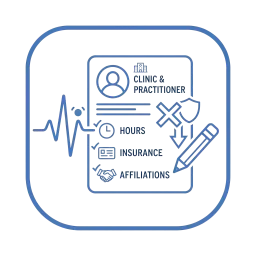
Continuously monitor practice profiles to prevent unauthorized third-party edits to clinic hours, accepted insurance networks, or practitioner affiliations.

Location & Provider Health Analytics

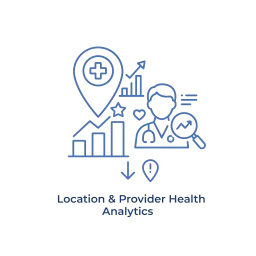
Track map-pack rankings, search impressions, and patient engagement metrics across individual clinics and physician profiles to identify underperforming locations.
Streamline your multi-location healthcare discovery and protect patient trust with our dedicated Listing Management Features and Reputation Management Solutions.

Frequently asked questions

Healthcare local search is structurally distinct because patients search for individual medical practitioners just as often as clinical facilities. Additionally, reputation management operates under strict patient-privacy standards, meaning healthcare organizations cannot confirm patient relationships or discuss medical details in public review responses.
Establish primary location profiles for each physical facility (hospitals, clinics, urgent care centers) alongside verified practitioner profiles for credentialed doctors practicing at those addresses. Keeping accepted insurance networks, clinical specialties, and provider roster changes synchronized across both profile tiers ensures accurate patient discovery.
Yes. Healthcare practices commonly handle negative reviews by posting neutral, empathetic responses that reinforce high standards of care and invite the reviewer to resolve concerns offline via a secure patient advocate phone number or email, without confirming or discussing their patient status publicly.
Deploy a centralized local listing management platform to maintain a single source of truth for your entire clinical directory. This enables marketing teams to bulk-update clinic hours, department schedules, accepted insurance networks, and physician credentials across major search engines and medical directories simultaneously.

Still looking for an answer?

Drop us an email and we will get back to you within 24 hours.

Are you ready to accelerate your business with the Vicinus edge?